
Shining Light On A Little Farm
June 25, 2026 │ By Sadie Mayhew
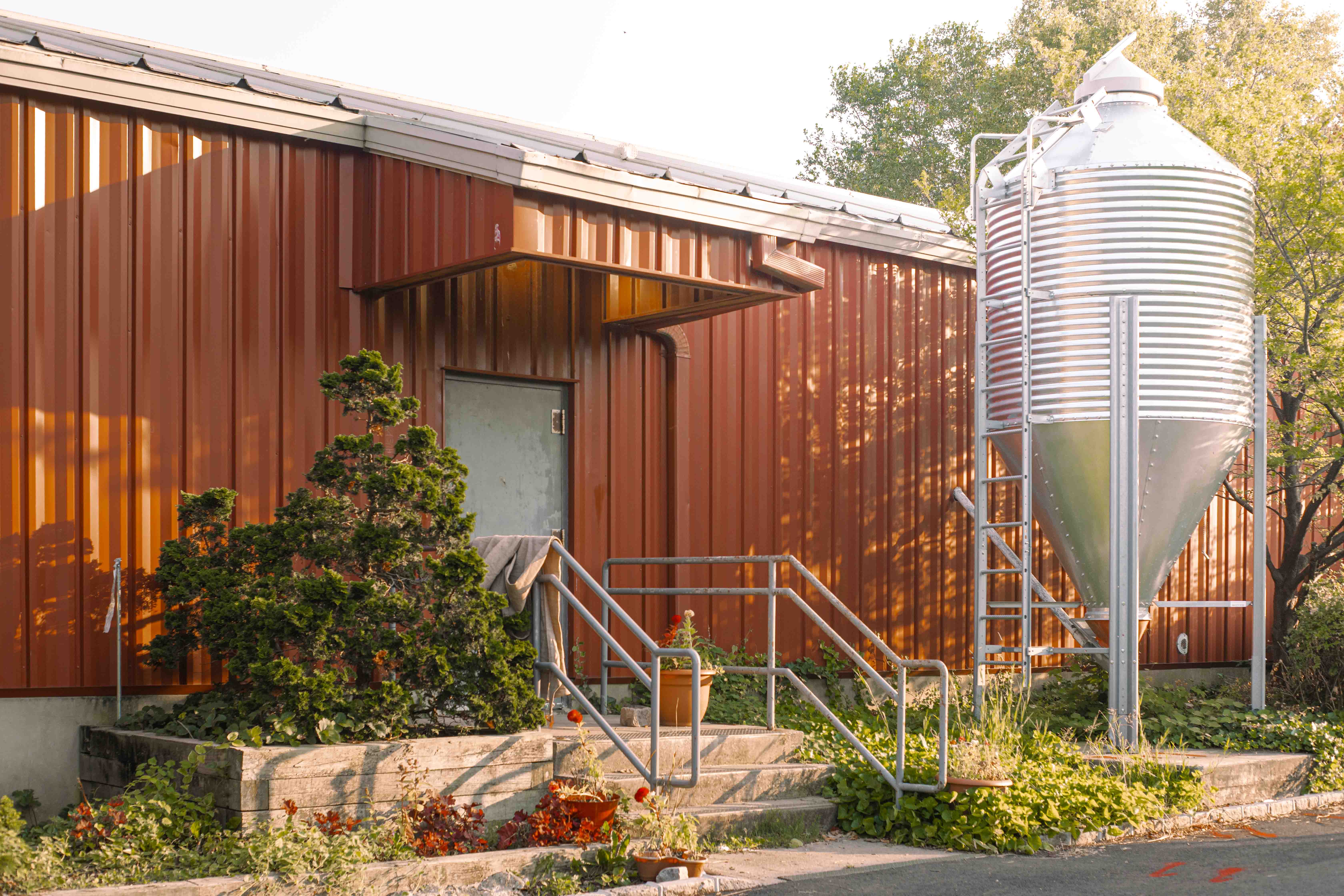
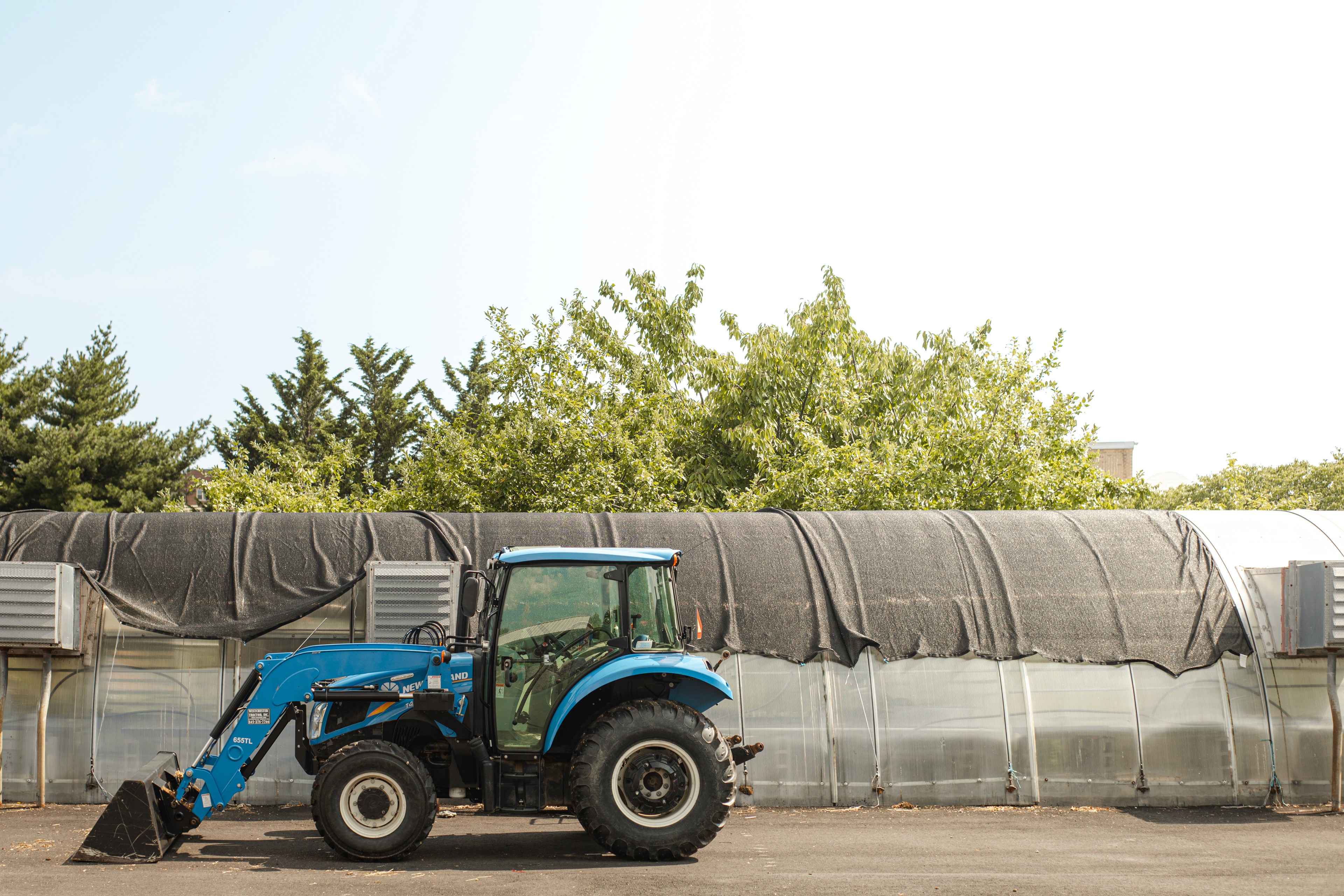
In the early 20th century, a working farm on the edge of a major city was founded—a landscape of orchards, barns, and tractors plowing fields. As the city grew and farming retreated from urban life, the acreage contracted but never fully disappeared. Today, its role is primarily educational, serving as a living classroom where students explore sustainable agriculture, animal care, and environmental systems.
When I sat down with one of the architects tasked with designing a new building on the land, I expected to hear about pragmatic construction choices for a modest facility. But what I learned instead was a story about architecture as a kind of selflessness, transcending what was expected of them. Whether it was drawing lessons from nature, testing them with scientific precision, and translating them into the built environment standing today, the project works because of something deeper than design ingenuity. And that’s a genuine commitment for the beings who teach, live, and learn here.
An Ethos of Respect
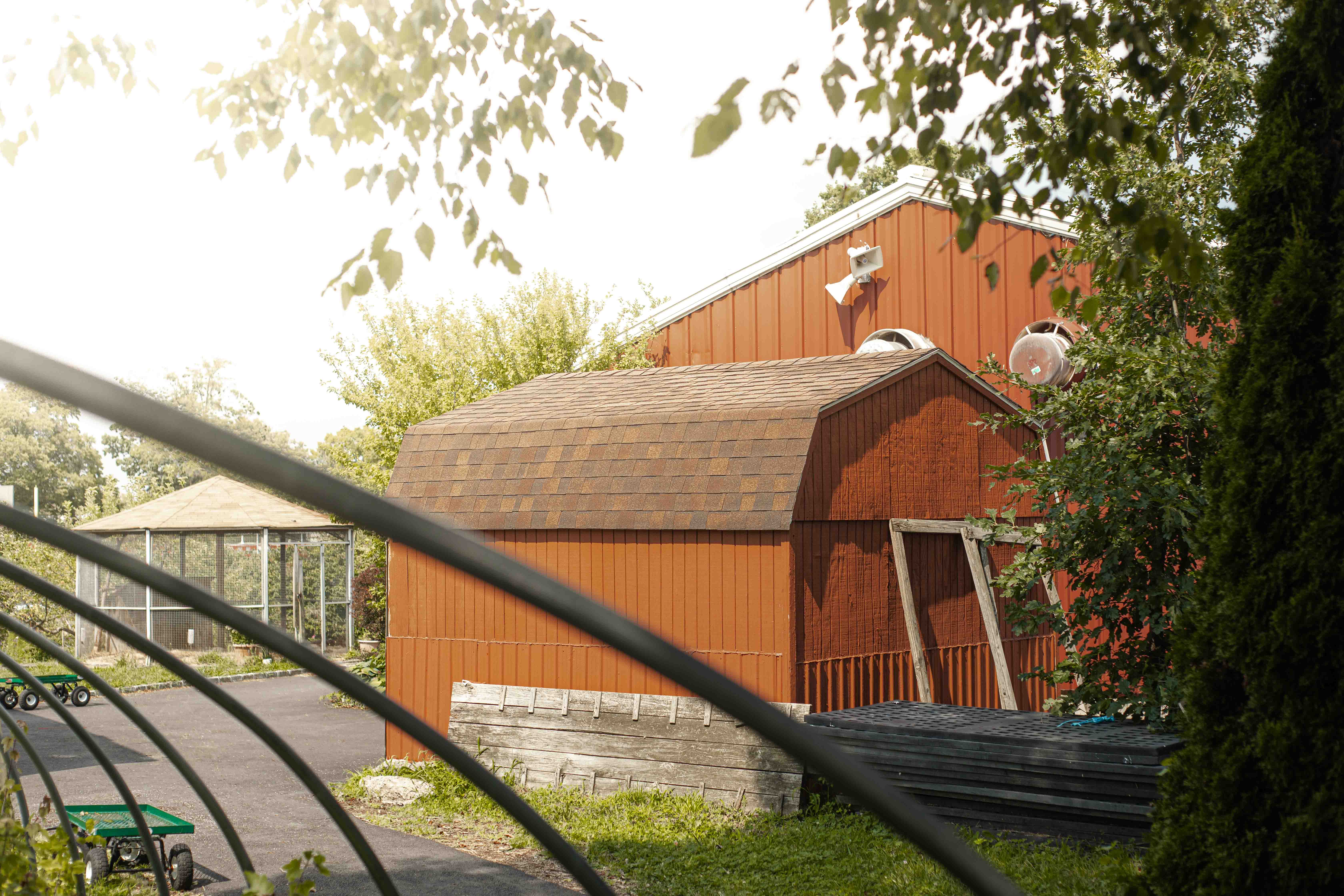
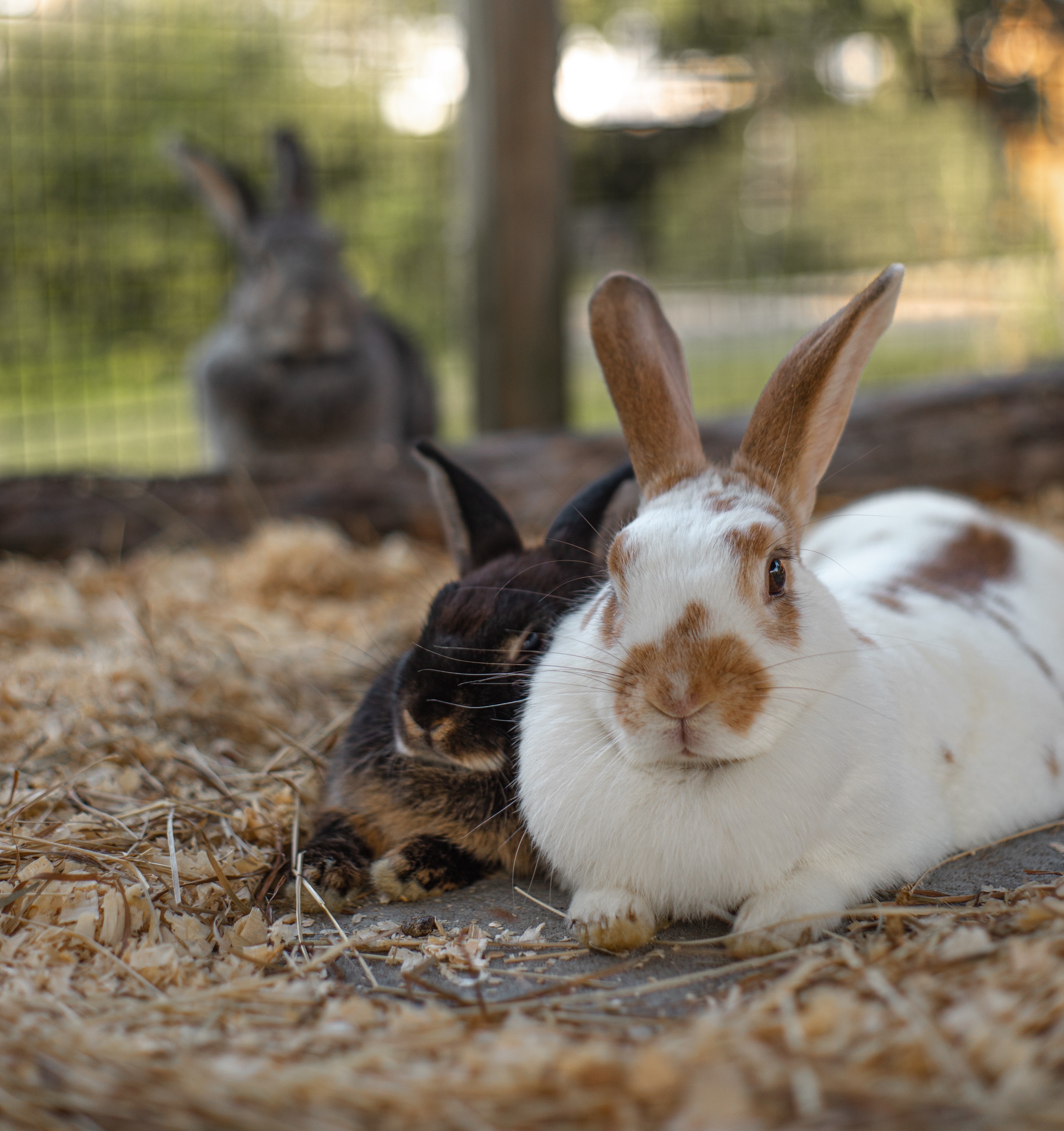
The compact farm still houses large and small animals of all kinds. On one hand its utilitarian sheds and classic red barn speak to its past, but on the other, its role is decidedly modern, a laboratory for understanding how humans and animals share space. The task for architects to design a new building, consolidating two animal programs, faced an unusual set of challenges: honoring the farm’s history, complying with stringent city codes (that did not exist when the farm was founded), preserving the land used for teaching and cultivation while building around it, introducing a classroom and an educational viewing room for visitors, all while designing for the various species they house inside, whose needs are… let’s say, just as complex.
The result of this project is far more than constructing a standard academic building. What could have been a pre-fabricated structure of cages and tanks has instead become an architectural meditation on light, landscape, and respect for all living things. Every decision reflects an ethos of respect. As one of the lead architects put it, “Sometimes the best solution is the quietest one—meeting the needs of the site, the students, staff, and animals that call it home.”
Unique Observations and Layout
Outside, one of the first challenges was delicately satisfying the requirements of the city’s fire codes while being minimally invasive to the already dwindled farmland. This was tricky, since most proposed solutions ate into the compact farm’s valuable space. In the end, the team paved a route through the orchard by enlarging an existing path, preserving as much land as possible. And for the land taken, they restored new orchard space adjacent to the building.
While touring the grounds, the architects also noticed farmers and students covered in mud, waiting in line for a single sink inside the old red barn to clean up. That observation inspired one of the simplest but most impactful upgrades: more sinks and showers. Three sinks were placed just inside the vestibule at each entrance, allowing users to clean up without fully entering the building. The feature doubles as both convenience and sanitation, ensuring everyone washes their hands before and after handling animals—whether they’re heading back to class, or straight to lunch.
Inside, the architects designed interconnected but distinct animal programs. A reptile classroom sits on one side, while three free-standing bird aviaries occupy the other, both separated by a central exhibit gallery. A wide preparation room connects the spaces, providing circulation while accommodating tasks like food prep and cleaning.
The one-story building includes what the architects call “the AgriHub”—a compact strip of program within the building that provides function for not just the occupants of the building, but the farm as a whole. Staff offices, storage, drinking fountains, unisex bathrooms, and even a teacher locker room with showers are all integrated here. Modern connectivity also plays a role: internet, Wi-Fi, and phone systems bring contemporary infrastructure to the farm. It’s a reminder that respect for animals and respect for people who use the site and building are deeply intertwined.
Let There Be (Sun)Light
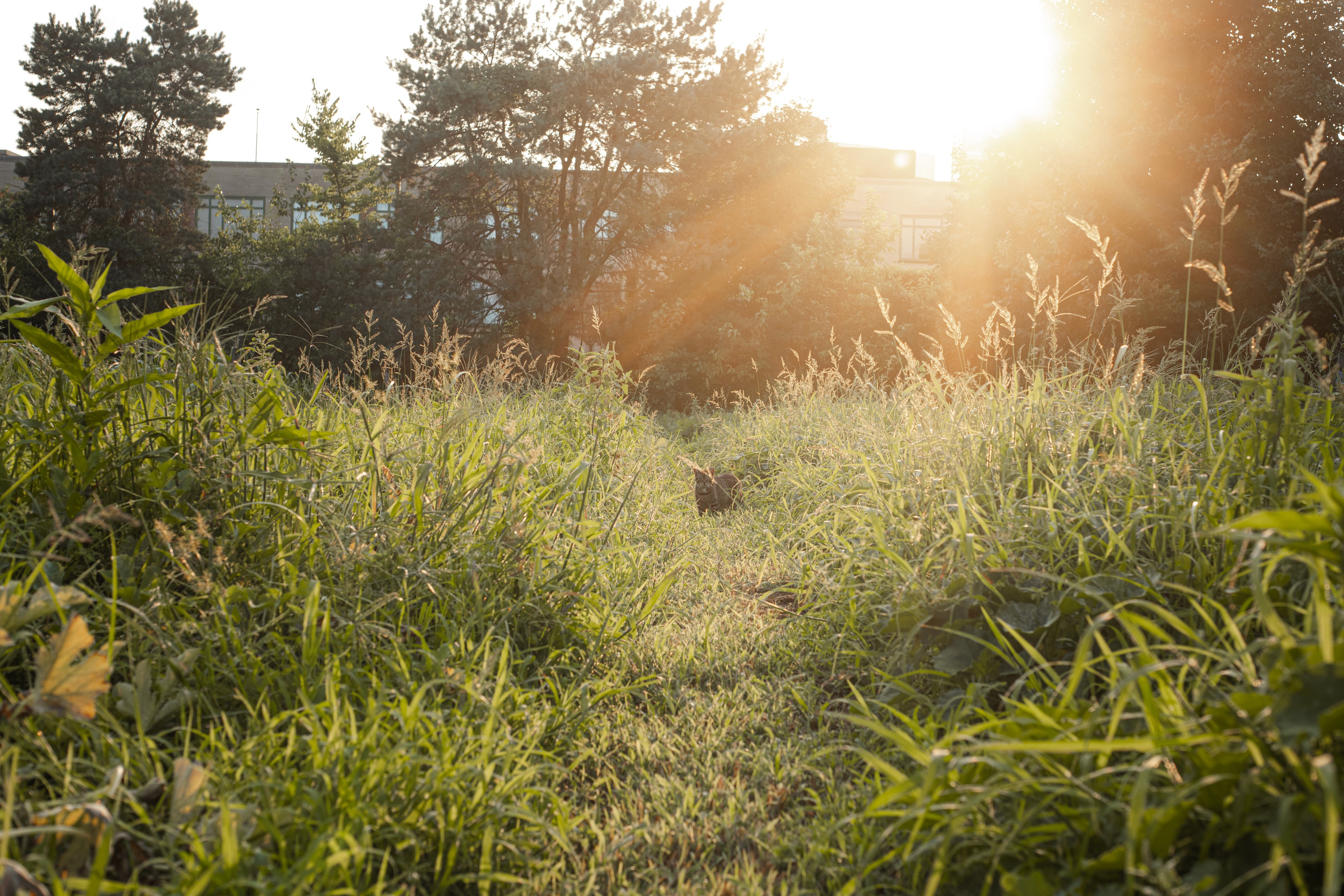
Light is the true protagonist here. For the reptile classroom, where snakes, turtles, lizards, fish, amphibians, and aquatic species occupy carefully designed enclosures, the architects made the counterintuitive decision to eliminate windows altogether. Direct sunlight would trigger algae growth and destabilize carefully balanced habitats. Instead, daylight comes through solar tubes, a kind of vertical shaft that brings sunlight from the roof and directs it precisely where needed. In this case, the tubes are aligned so that natural light falls only onto the student desks, supporting circadian rhythms and well-being, while leaving the animals undisturbed in their micro-environments. Overhead retractable extension cords were also added, allowing microscopes and other equipment to be used without cables tangling across the floor.
The aviaries presented a more complex challenge. Unlike reptiles, birds and their lighting needs are complex, varying by species. The solution? A meticulous study of when and where the sun’s path could reach the aviaries through clerestory windows and skylights at different times throughout the seasons.
Typical sun studies use a two-dimensional plane—on a wall or floor—which works well for office buildings where people occupy a flat plane. But birds move through three dimensions. So, the architects simulated sunlight volumetrically, testing over 250,000 analytical surfaces to model a three-dimensional volume of light inside the aviaries. The goal was to mimic the layered qualities of a forest canopy: pockets of intense sunlight at the “canopy top,” softer indirect light in the middle, and shade beneath. In practice, this means birds will always have a choice whether to perch in direct sun, rest in dappled light, or retreat into shadow.
“It would have been easy to just keep the birds in cages with artificial bulbs,” the architect noted. “But we took on the challenge of creating an architectural solution to their well-being—designing a space that acknowledges their needs as living beings. The sunlight analysis was our proudest achievement; it’s an architectural solution that leverages technological advancements in parametric modeling to create a level of bio-mimicry providing not just a place to keep birds but a place an animal without a voice can call home.”
A Roof That Grows
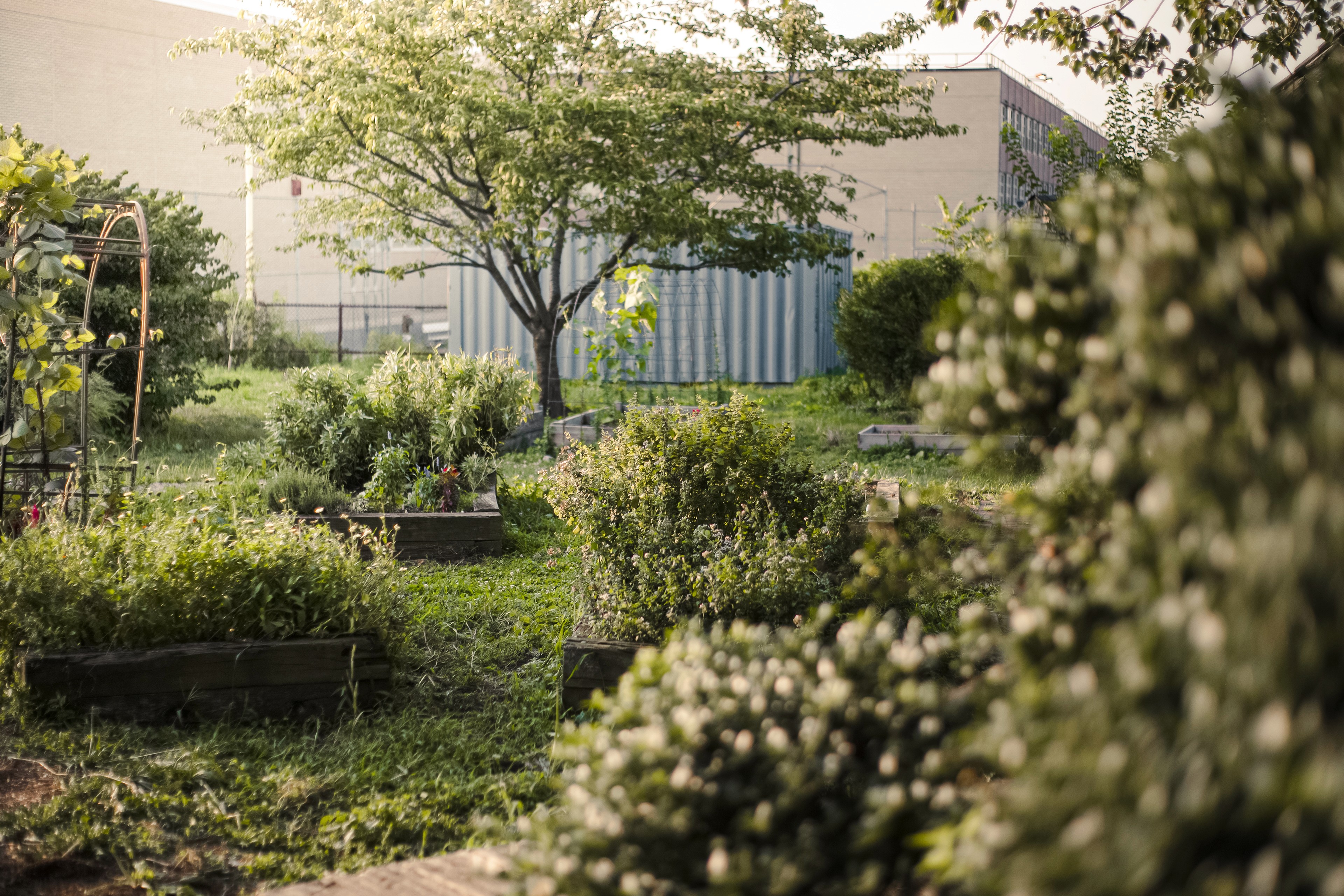
If the aviaries exemplify an invisible design, the roof makes the building’s philosophy visible. At over 100 feet in length, its single-sloped green roof remains a rarity at this scale. Eight inches of soil and drought-tolerant native plantings transform the structure into an extension of the farm itself. The engineering required—custom trench drains and structural reinforcements—was formidable. “It’s the reason I don’t sleep at night,” the architect joked. “But it brings a level of craftsmanship that makes the building part of its landscape, not an imposition on it.”
High Performance Systems
Beyond aesthetics, the building is a high-performance system. A Building Automation and Control (BAC) network links HVAC, security, lighting, and energy management so they can be monitored and adjusted remotely. The building exceeds insulation requirements for energy efficiency. In the aviaries, artificial UV-A and UV-B lighting ensures birds receive nutrients sunlight normally provides, including UV spectrums they rely on to find food and mates.
A large Dedicated Outside Air System provides 13 air changes per hour, keeping air clean for both birds and people. Ducts are carefully placed to create laminar flow, moving air across and away from visitors. A reverse-osmosis misting system provides computer-controlled rain-like enrichment inside the aviaries. Even the cages were custom-designed: architects collaborated with manufacturers to specify mesh that protects the birds, prevents injury, and minimizes gaps that could allow escape.
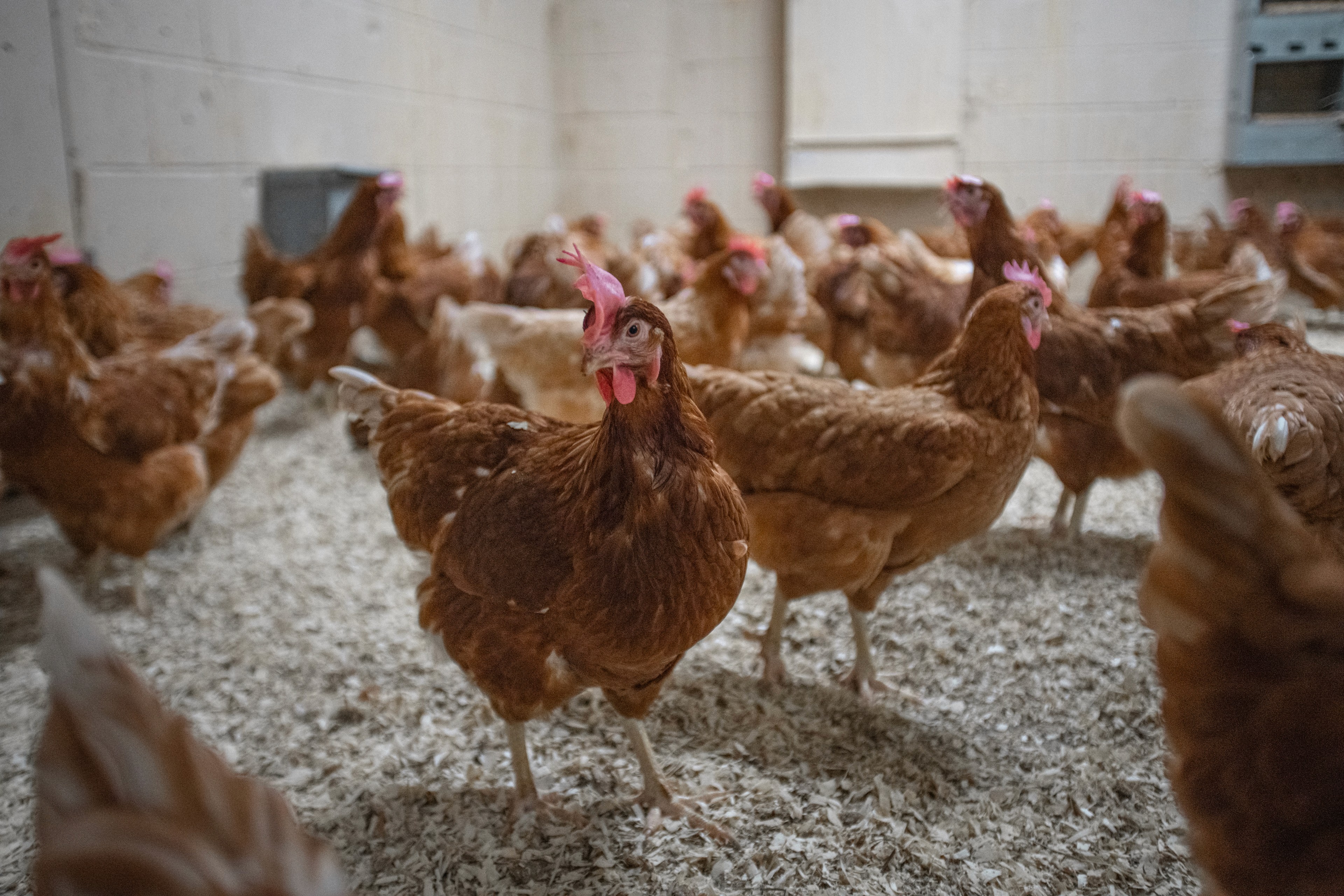
On the Outside: Two Faces, One Narrative
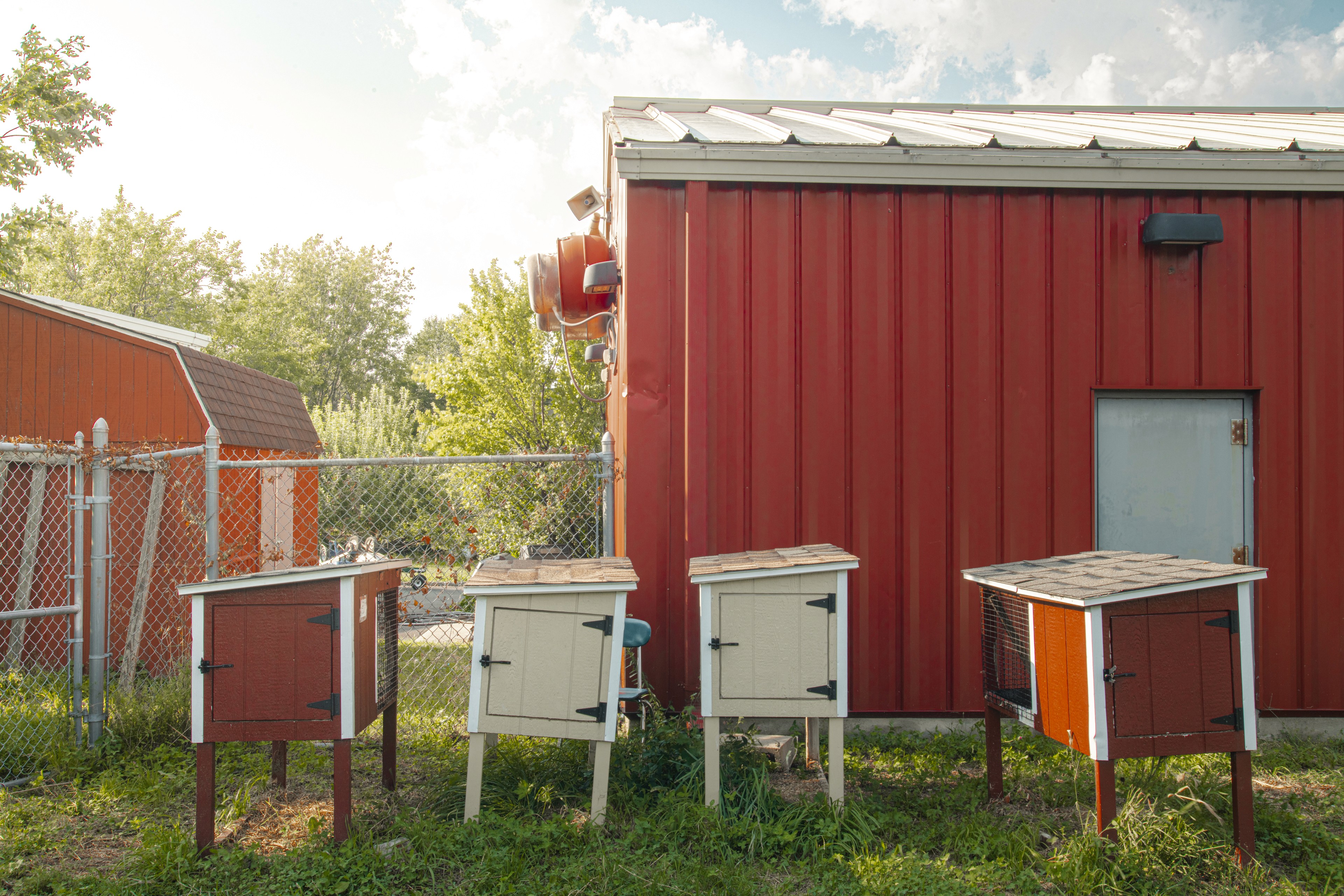
The building’s exterior continues this dialogue of ethos of respect for it’s surrounding area. The side facing the school is clad in a bright, orderly brick which reflects the contemporary academic buildings nearby. The side facing the farm, by contrast, is constructed of darker, muddier brick, kind of irregular in tone, designed to recede into the rustic landscape of barns, sheds, and soil—reading as one monolithic block stone surface. One face speaks to the academic world, the other to the agricultural one. The green roof, combined with the building’s program, bridges them both.
Putting Respect into the Foundation
Ultimately, what makes this building remarkable is not only its technical precision but its ethical stance. The design asks larger questions: What does it mean to build for both humans and animals? How can architecture enhance the lives of users who may never speak for themselves? What does it mean to make something respectful, rather than iconic?
From what I gathered in the interview and after learning about the intricate design, and hours of labor and problem solving, respect for the animals, people, and history of the farm is the driving force behind the project.
“It’s not about selling this building as a prototype for zoos around the country. It’s about designing something appropriate, something effective, and something considerate. The narrative is not spectacle, it’s respect.”
Beyond the Farm
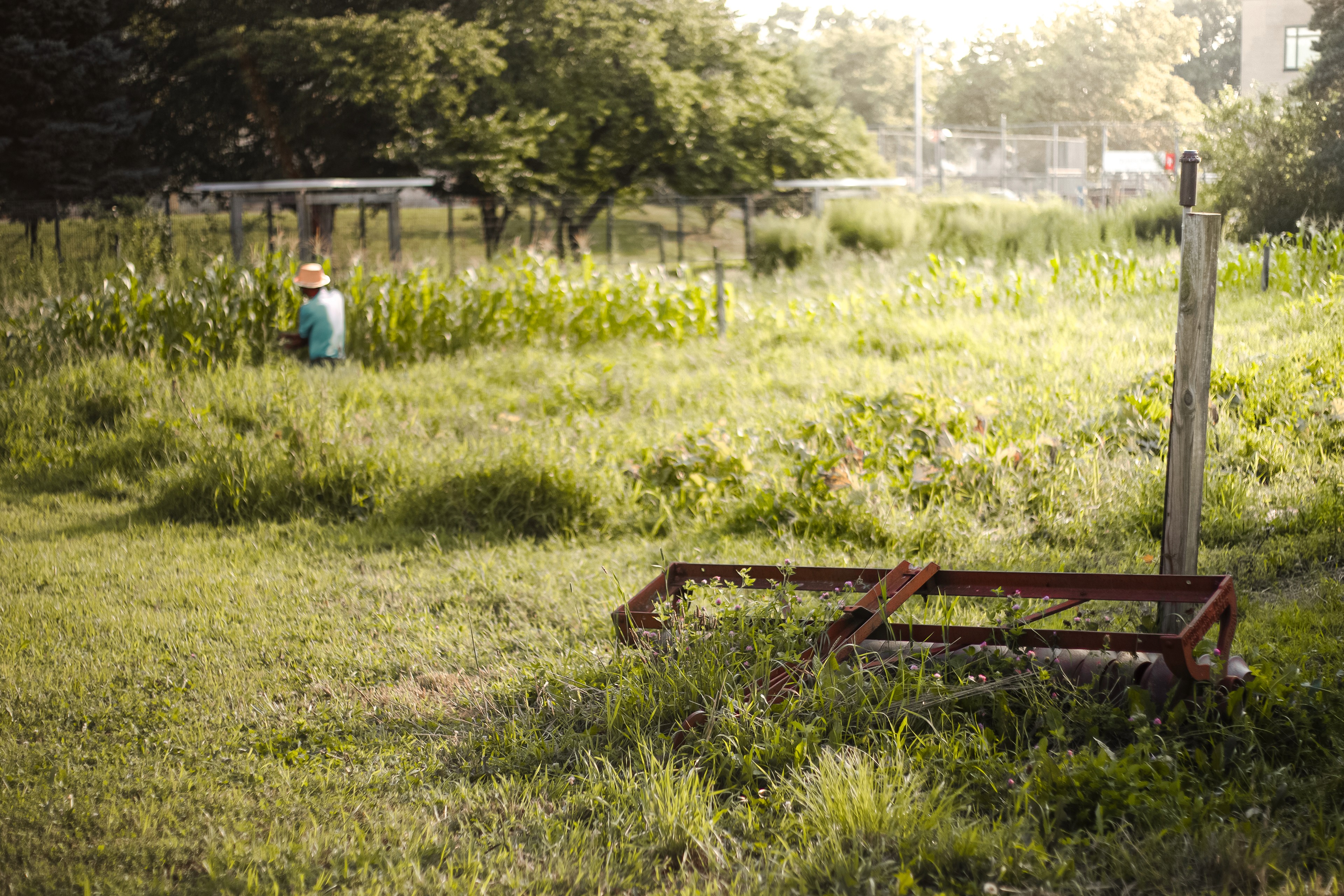
After interviewing for this story, it made me realize outside of an architect’s perspective, modern design solutions don’t just shape cities and the people living in them, but protect the history and green spaces within them. The fact that a working farm can quietly exist on the edge of a metropolis is remarkable in itself, proof that agriculture and urban life don’t have to be mutually exclusive. By showing that these spaces can be maintained, adapted, and reimagined through thoughtful design, this project becomes more than just a farm.
The agricultural program has shaped generations of budding scientists and agricultural specialists, with roots that reach back even before the program itself. Today, it’s inspiring to see so many people remain dedicated to the farm, forming the backbone of a workforce still exploring the intricacies of plant and animal life.
Now, the responsibility falls to us. We must anticipate the needs of the future, teaching and inspiring today’s students to build a healthier, more sustainable tomorrow. Climate change has already driven more than 11,000 species onto the International Union for Conservation of Nature’s Red List, threatening extinction through habitat loss. Educating the next generation about these animals, their ecosystems, and their role in our survival opens doors to meaningful careers and instills a sense of stewardship. This ensures that tomorrow’s leaders will fight to preserve the world we all depend on.
And in this way, the building is more than brick, glass, and green roof—it becomes a tool for education, a bridge between past and future, and a quiet but powerful force in shaping those who will carry its lessons forward.